

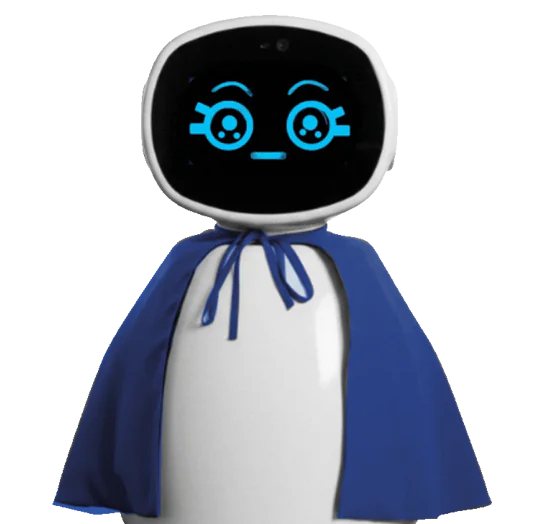
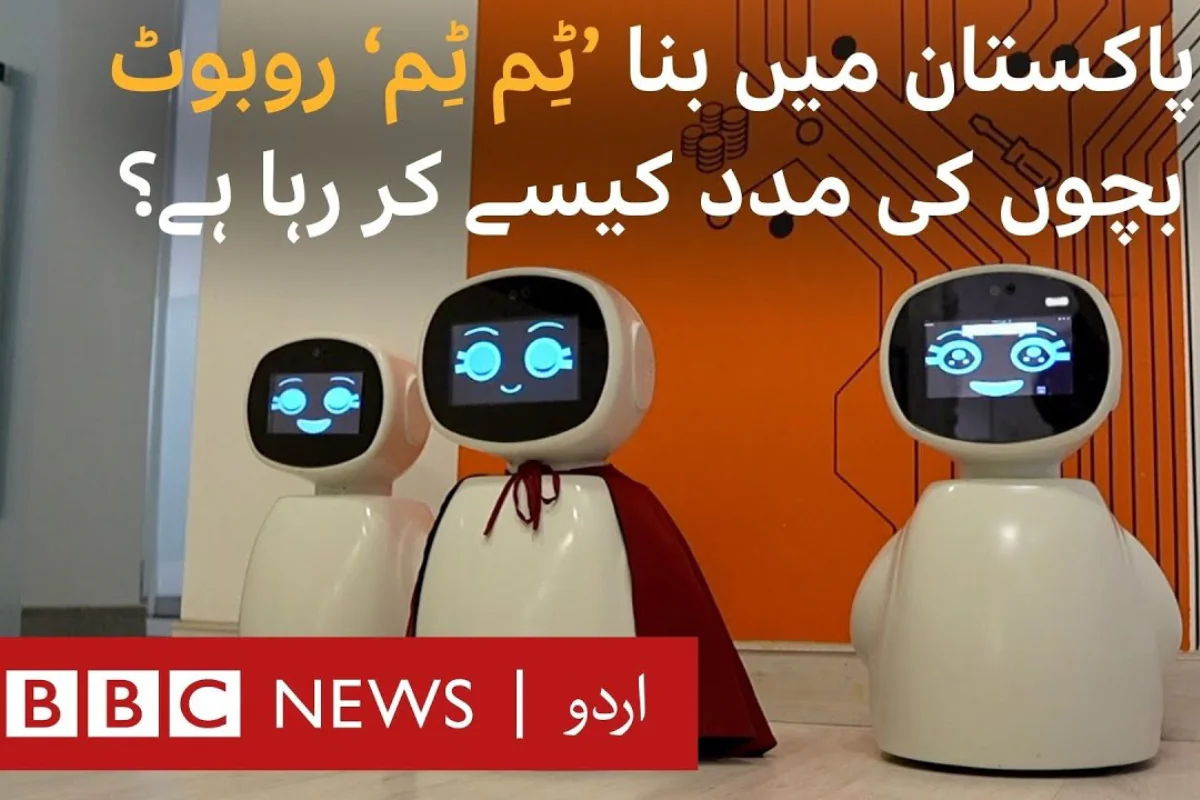
When BBC News Urdu featured a small, circular robot named TimTim rolling through a therapy center in Karachi, it wasn’t just a tech report—it was a glimpse into a more inclusive future. The feature brought national and international attention to Haprow, the Pakistani startup bridging the gap between high-end robotics and affordable healthcare.
The report highlighted a critical reality: in Pakistan, where over a million children are estimated to be on the autism spectrum, access to specialized therapy is often a luxury. TimTim, developed by Muhammad Ali Abbas and his team, aims to change that by becoming an accessible “friend and mentor” for these children.
The Story Behind the Screen: What BBC Urdu Revealed
The BBC News Urdu feature provided an intimate look at how TimTim interacts with children. Viewers saw firsthand how the robot’s non-threatening, circular design and soft, AI-generated voice helped break down the communication barriers that often isolate children with Autism Spectrum Disorder (ASD).
Key Features Highlighted by BBC:
-
Two-Way Communication: TimTim is capable of engaging in dialogue in both English and Urdu, making it culturally relevant for Pakistani households.
-
Behavioral Tracking: The AI doesn’t just talk; it observes. It can track a child’s progress over multiple sessions, providing data that helps parents and therapists refine their approach.
-
Portability & Endurance: With a 7-hour battery life, TimTim is designed to stay active through school days or multiple therapy sessions without needing a recharge.
Breaking the Cost Barrier
One of the most compelling points made during the BBC report was the price disparity between TimTim and its international competitors. Muhammad Ali Abbas noted that similar socially assistive robots in the global market can cost upwards of $5,000, excluding monthly subscription fees for software updates.
Haprow’s Disruptive Pricing:
-
70% Lower Cost: TimTim is positioned to be significantly more affordable than Western alternatives.
-
Inclusive Subscription: Unlike many global brands, Haprow aims to keep the “content” (the lessons and games the robot plays) accessible to local NGOs and middle-class families.
By manufacturing locally in Karachi while strategically sourcing specialized components, Haprow has managed to create a world-class product without the world-class price tag.
Impact of the “BBC Boost”
The reach of BBC News Urdu is vast, and the feature acted as a catalyst for Haprow. Following the broadcast, the startup saw a surge in interest from:
-
Medical Institutions: Major hospitals in Pakistan have since entered negotiations to integrate TimTim into their pediatric wards.
-
The Diaspora: Overseas Pakistanis in the UK and UAE reached out to inquire about bringing the technology to their communities.
-
Educational Research: Academic circles began looking at the data collected from TimTim’s interactions with over 30 test subjects—research that is now being prepared for international journals.
Clinical Validation: The Research Behind the Robot
The BBC report wasn’t just about a “cute robot.” It touched upon the rigorous testing conducted by Haprow. Their study showed that children who interacted with TimTim:
-
Showed improved logical thinking.
-
Responded faster to verbal cues compared to traditional screen-based learning.
-
Demonstrated increased curiosity and “social integration” skills.
A Vision for 2026 and Beyond
As TimTim reaches a wider audience through media powerhouses like the BBC, Haprow’s goals have expanded. The team is currently scaling its production capacity to produce roughly 500 robots per year.
The goal for 2026 is clear: to move from being a “Karachi-based innovation” to a “global healthcare standard.” With plans to add more regional languages and enhance AI emotional intelligence, TimTim is well on its way to becoming a household name for families navigating the challenges of autism.
Haprow’s journey, as told by BBC News Urdu, is a powerful reminder that the best technology isn’t just about speed or power—it’s about empathy.